
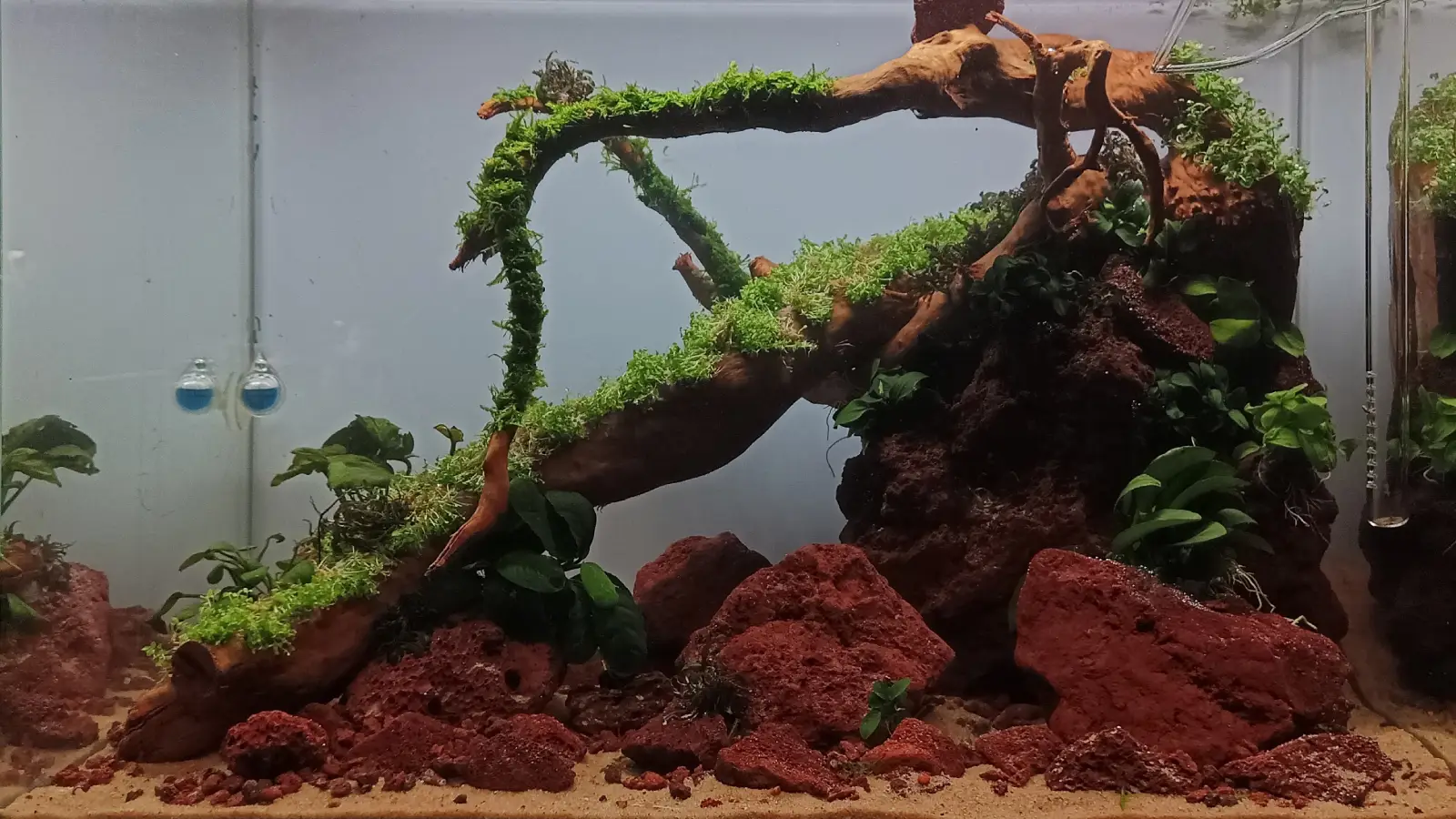
How to Start an Aquascape: The Complete Beginner’s Guide
Aquascaping is the art of designing and creating a beautiful underwater landscape inside an aquarium. It combines aquarium keeping, design, plants, rocks, driftwood and careful maintenance to create a natural-looking aquatic environment.
If you are completely new to aquascaping, getting started can seem complicated. There are aquariums, filters, lights, substrates, fertilizers, CO₂ systems, plants, rocks and dozens of other products to choose from.
The good news?
You don’t need to buy everything at once, and you don’t need to be an expert to create a beautiful planted aquarium.
With the right planning and a basic understanding of how an aquarium ecosystem works, you can build your first aquascape with confidence.
This guide will take you through the process step by step—from choosing your aquarium and hardscape to planting, cycling and maintaining your new aquascape.
What Is Aquascaping?
Aquascaping is essentially underwater landscape design.
Instead of simply placing plants and decorations randomly inside an aquarium, an aquascaper carefully arranges rocks, driftwood, plants and open spaces to create a visually appealing composition.
A successful aquascape usually considers:
- Composition
- Balance
- Scale
- Depth
- Colour
- Texture
- Plant growth
- Negative space
The aquarium is not just a container for fish and plants. The goal is to create a miniature underwater landscape that becomes more beautiful as it matures.
And unlike a traditional decoration-focused aquarium, an aquascape is often designed around the hardscape first, with plants used to complement and enhance the overall structure.
What Do You Need to Start an Aquascape?
Before buying anything, it helps to understand the basic equipment required.
A typical planted aquarium may include:
- Aquarium
- Aquarium stand
- Filter
- Aquarium light
- Substrate or aquasoil
- Rocks and/or driftwood
- Live aquatic plants
- Water conditioner
- Fertilizers
- Thermometer
- Maintenance tools
- CO₂ system, if required
- Fish, shrimp or other livestock
You don’t necessarily need the most expensive equipment available.
A well-planned setup with suitable equipment is much more important than simply buying expensive equipment.
For your first aquascape, focus on choosing equipment that matches the size of your aquarium and the plants you want to grow.
1. Choose the Right Aquarium
The aquarium is the foundation of your aquascape.
If this is your first planted tank, a standard rectangular aquarium is usually the easiest place to start.
A wider aquarium can be particularly useful because it provides more space for creating depth and arranging your hardscape.
Smaller vs Larger Aquariums
A nano aquarium may look simple, but smaller tanks can actually be less forgiving.
A small change in water chemistry, temperature or nutrient levels can have a noticeable effect on a small volume of water.
Larger aquariums generally provide more stability, but they require more substrate, hardscape, plants and maintenance.
For beginners, a medium-sized aquarium can offer a good balance between stability and manageability.
Think About the Location
Before setting up your aquarium, decide where it will stay.
Choose a strong, level surface away from:
- Direct sunlight
- Excessive heat
- Air-conditioning vents
- Areas where the aquarium can easily be bumped
- Unstable furniture
Remember that a filled aquarium can become extremely heavy.
Always use a suitable aquarium stand or properly designed support.
2. Decide Which Aquascaping Style You Like
Before buying rocks and plants, spend some time looking at different aquascaping styles.
Some popular styles include:
Nature Aquarium
Inspired by natural landscapes such as forests, mountains, valleys and streams.
This style often combines rocks, driftwood and plants to create a natural-looking composition.
Iwagumi
An Iwagumi aquascape focuses primarily on stones.
The design is usually minimalist, with a carefully arranged group of rocks and relatively simple planting.
Dutch Style
Dutch-style aquascapes focus heavily on plants.
Different plant species, colours, leaf shapes and growth patterns are arranged in organised groups to create a dense underwater garden.
Jungle Style
As the name suggests, jungle-style aquariums are lush and heavily planted.
The design is generally less formal, allowing plants to grow into a natural-looking underwater jungle.
Don’t worry about following a style perfectly.
Your first aquascape is an opportunity to learn. You can take inspiration from different styles and develop a design that suits your aquarium and personal taste.
3. Plan Your Hardscape
One of the biggest beginner mistakes is buying plants first and then trying to figure out where the rocks and wood should go.
Instead, start by thinking about your hardscape.
Hardscape refers mainly to the non-living structural elements of an aquascape, such as:
- Rocks
- Stones
- Driftwood
These elements create the foundation of the composition.
Use a Focal Point
A good aquascape usually has an area that naturally attracts your attention.
This could be:
- A large stone
- A piece of driftwood
- A group of rocks
- A pathway
- An open area surrounded by plants
Avoid placing the largest object exactly in the centre unless you intentionally want a symmetrical composition.
Create Depth
One simple way to make an aquarium look larger is to create depth.
You can do this by:
- Using larger rocks toward the front
- Using smaller rocks toward the back
- Creating a sloping substrate
- Leaving open space
- Using smaller plants toward the background
- Creating pathways between hardscape elements
A little planning before adding water can make a huge difference.
Don’t Glue Yourself to the Glass
When positioning rocks and driftwood, remember that the aquascape will eventually be covered by plants.
Leave enough space for plants to grow and for you to perform maintenance.
4. Choose the Right Substrate
Substrate is the material placed at the bottom of the aquarium.
For planted aquariums, aquasoil is a popular choice because it provides a suitable growing medium for many aquatic plants.
The amount and type of substrate you need will depend on:
- Aquarium dimensions
- Desired substrate depth
- Aquascaping style
- Plant selection
- Whether you want a sloped layout
A deeper substrate toward the back of the aquarium can help create the illusion of greater depth.
Try not to make the substrate completely flat unless that is specifically part of your design.
5. Choose Beginner-Friendly Aquarium Plants
You don’t need dozens of plant species to create a beautiful aquascape.
In fact, starting with a manageable selection is often better.
Beginner-friendly plants can include:
Anubias
Anubias are hardy plants with relatively slow growth and are commonly attached to rocks and driftwood.
Their rhizome should not be buried completely in the substrate.
Cryptocoryne
Cryptocoryne species are popular for their attractive leaves and natural appearance.
They can be excellent choices for creating a midground or foreground transition.
Java Fern
Java Fern is another hardy plant that can be attached to rocks or driftwood.
Like Anubias, its rhizome should remain above the substrate.
Mosses
Aquarium mosses can be attached to rocks, driftwood and other surfaces to create a natural aged appearance.
Stem Plants
Stem plants can provide height, colour and background coverage.
However, many stem plants require more attention to lighting, nutrients and trimming than some beginner-friendly plants.
6. Choose the Right Aquarium Light
Light is one of the most important factors affecting plant growth.
Plants require light for photosynthesis, but more light does not automatically mean better growth.
Excessive light can make algae problems much more difficult to control.
When choosing a light, consider:
- Aquarium length
- Aquarium depth
- Plant requirements
- Light intensity
- Light duration
- Whether you plan to use CO₂
For a new aquarium, it is usually better to start with a sensible lighting schedule rather than immediately running the light for very long periods.
You can adjust the schedule as you observe plant growth and algae levels.
7. Do You Need CO₂?
This is one of the most common questions beginners ask.
No, not every planted aquarium needs injected CO₂.
Many aquatic plants can grow without additional CO₂, especially low-demand plants.
However, CO₂ supplementation can significantly improve plant growth and can make it possible to grow a wider range of plants successfully.
CO₂ becomes particularly useful when you want:
- Faster plant growth
- Dense carpeting plants
- More demanding plant species
- Stronger overall plant growth
- A high-energy planted aquarium
If you’re starting your first aquarium, don’t feel pressured to add a CO₂ system immediately.
Start with a setup that matches your experience level and the plants you want to grow.
8. Set Up Your Aquascape Step by Step
Once you’ve selected your aquarium, equipment, hardscape and plants, it’s time to build.
Step 1: Clean the Aquarium
Rinse the aquarium and equipment with clean water.
Avoid using household soaps or detergents.
Step 2: Add the Substrate
Add your aquasoil or planted-tank substrate.
Create the desired slope and shape before placing the hardscape.
A higher substrate level toward the back can help create visual depth.
Step 3: Position the Hardscape
Place your rocks and driftwood according to the composition you planned.
Take your time.
This is one of the stages where spending an extra 20 minutes can save you from being unhappy with the aquascape later.
Step back from the aquarium and look at it from different angles.
Step 4: Add Small Details
Smaller stones can be used around larger rocks to make the composition look more natural.
Try to avoid creating a perfectly uniform arrangement.
Nature is rarely perfectly symmetrical.
Step 5: Plant the Aquarium
Now it’s time to add the plants.
A simple approach is:
Background → Midground → Foreground
Place taller plants toward the back and shorter plants toward the front.
This helps maintain visibility and creates a sense of depth.
Step 6: Fill the Aquarium Carefully
This is where many beautiful aquascapes go wrong.
Don’t simply pour water directly onto the substrate.
The force of the water can disturb the soil and uproot your freshly planted aquarium.
Place a plastic bag, shallow container or similar protective surface over the substrate and slowly add water.
Fill the aquarium gradually.
9. Cycling Your Aquarium
A newly established aquarium is not immediately ready for a full population of fish.
The aquarium needs time for beneficial microorganisms to establish themselves and process waste.
This process is commonly called cycling.
During the initial weeks, you may notice changes in:
- Ammonia
- Nitrite
- Nitrate
- Water clarity
- Algae
- Plant growth
Patience is extremely important during this stage.
Avoid adding a large number of fish immediately just because the aquarium looks ready.
A visually beautiful aquarium can still be biologically immature.
10. When Should You Add Fish and Shrimp?
Once your aquarium is properly established and water parameters are suitable, livestock can be introduced gradually.
Don’t choose fish simply because they look attractive.
Consider:
- Adult size
- Temperament
- Swimming behaviour
- Water requirements
- Compatibility
- Aquarium size
- Number of fish required
Shrimp can also be excellent additions to planted aquariums, but they have their own water-quality requirements and can be more sensitive to sudden changes.
Research the livestock before buying it.
11. Beginner Aquarium Maintenance
A beautiful aquascape doesn’t maintain itself.
Regular maintenance is what keeps the aquarium healthy and attractive.
Your routine may include:
Water Changes
Regular partial water changes help maintain water quality and remove accumulated waste.
The exact schedule depends on your aquarium, livestock, plants and maintenance routine.
Trimming Plants
Fast-growing plants need regular trimming.
Don’t be afraid to cut them.
Regular trimming helps maintain the shape of the aquascape and encourages healthy new growth.
Cleaning the Glass
Algae can naturally appear on aquarium glass.
A simple aquarium scraper or algae-cleaning tool can make regular maintenance much easier.
Filter Maintenance
Your filter should provide appropriate mechanical and biological filtration.
Clean filter media when necessary, but avoid unnecessarily replacing or aggressively cleaning biological media.
Fertilization
Plants require nutrients to grow.
Depending on your substrate, plants and water parameters, you may need to supplement nutrients using an appropriate aquarium fertilizer.
Start conservatively and observe how your plants respond.
12. Common Beginner Mistakes
Learning aquascaping involves making mistakes. That’s completely normal.
However, these are some of the most common problems beginners can avoid.
Adding Too Many Fish Too Quickly
A new aquarium needs time to establish its biological filtration.
Adding too much livestock at once can create water-quality problems.
Running the Light for Too Long
Longer lighting periods don’t necessarily produce better plant growth.
They can instead contribute to algae problems.
Overfeeding
Uneaten food contributes to waste and can negatively affect water quality.
Feed your livestock appropriately and avoid excessive feeding.
Changing Everything at Once
If something isn’t working, avoid making five major changes simultaneously.
Make one change, observe the aquarium and adjust gradually.
Planting Without a Plan
Randomly placing plants can make an aquarium look messy as the plants grow.
Think about the final size and growth habit of each plant before planting.
Choosing Plants That Are Too Difficult
It’s tempting to buy every beautiful plant you see.
But if a plant requires conditions you cannot provide, it may become frustrating.
Start with plants that match your equipment and experience.
Ignoring Maintenance
Even the most expensive equipment cannot replace regular maintenance.
A simple aquarium that is maintained consistently will usually outperform a complicated aquarium that is neglected.
13. How Long Does an Aquascape Take to Mature?
One of the best things about aquascaping is that the final result is not visible on day one.
A newly planted aquarium may initially look sparse.
That’s normal.
Over the following weeks and months:
- Plants establish their roots
- Stems become denser
- Carpets spread
- Mosses attach and grow
- Hardscape becomes integrated into the landscape
- The aquarium develops its own character
Your aquascape is a living design.
Don’t judge it only by how it looks immediately after setup.
Give it time.
14. How to Make Your First Aquascape Easier
If you’re completely new to aquascaping, keep your first setup simple.
Choose:
A manageable aquarium + suitable light + reliable filtration + easy plants + simple hardscape + consistent maintenance.
You can always increase the complexity of your setups as your experience grows.
Your first aquarium doesn’t need to be perfect.
It needs to teach you.
Every aquascaper learns by observing how plants grow, how algae behaves, how different hardscape materials look underwater and how the aquarium responds to changes in light, nutrients and maintenance.
Beginner Aquascaping Checklist
Before starting your first aquascape, make sure you have:
- Aquarium and suitable stand
- Filter
- Aquarium light
- Suitable substrate
- Rocks and/or driftwood
- Aquarium plants
- Water conditioner
- Basic maintenance tools
- Appropriate fertilizer
- Thermometer
- CO₂ system if required
- Test kits for monitoring water parameters
- Suitable livestock after the aquarium has matured
Frequently Asked Questions
Not necessarily.
A simple planted aquarium with easy plants and appropriate equipment can be a great starting point.
The difficulty increases as you move toward demanding plants, high lighting, CO₂ injection and more complex aquascaping designs.
Yes.
Many aquatic plants can grow without injected CO₂. However, CO₂ can provide significant benefits for plant growth and is useful for more demanding setups.
There is no fixed number.
The ideal quantity depends on the aquarium size, aquascaping style and plant species.
It is generally better to choose plants based on their eventual size and growth habit rather than simply trying to fill every empty space.
There isn't one universal answer.
A simple Nature Aquarium, Jungle-style setup or straightforward hardscape with easy plants can all be good starting points.
Choose a style you genuinely enjoy looking at.
No.
Good equipment can make aquascaping easier, but expensive equipment cannot compensate for poor planning or inconsistent maintenance.
Focus on compatibility, reliability and suitability for your aquarium.
Don't decide based purely on how clear the water looks.
Allow the aquarium to establish its biological filtration and confirm that water parameters are suitable before adding livestock.
Add livestock gradually rather than heavily stocking a new aquarium.
Maintenance frequency depends on the aquarium.
Plant growth, lighting, CO₂, livestock and filtration all affect how often maintenance is required.
A small amount of regular maintenance is generally easier than allowing problems to build up.
Final Thoughts
Starting your first aquascape can feel overwhelming, but it doesn’t have to be.
You don’t need to know everything before you begin.
Start with a manageable aquarium, choose equipment that suits your goals, use plants appropriate for your setup and take your time with the hardscape.
Most importantly, observe your aquarium and learn from it.
Aquascaping is not just about creating a beautiful aquarium on the day you set it up. It is about watching that underwater landscape develop over weeks and months and learning how to guide it.
At Scape Brothers®, our goal is to make aquascaping easier by providing carefully selected aquascaping products, hardscapes, tools, fertilizers and accessories for aquarists across India.
Whether you’re setting up your very first planted aquarium or working on your next aquascape, build it with patience, learn as you go and enjoy the process.
Your first aquascape doesn’t have to be perfect. It just has to be your first.
Ready to Start?
Explore the Scape Brothers® aquascaping collection and find the essentials you need to start building your planted aquarium.
Plan. Build. Grow.